info@tribalcowboy.com Text (208) 261-2092
TRIBAL COWBOY
Miniature horse at a Tribal Cowboy school visit in North Idaho
PreK–2 Core Program · K–5 Demos & Visits

Learning That
Walks on Four Legs.

Curriculum-aligned school visits with real horses. Tribal Cowboy brings the Pony Express Post literacy program, hands-on animal science, and Western heritage education to North Idaho classrooms and campuses.

500+
Students served
K–5
Grade range
3
Core programs
Idaho
ELA standard aligned
Flagship Program

Pony Express Post

Our signature school literacy program uses the Pony Express as a doorway into reading comprehension, writing, geography, and Western history. Students receive a "pony letter" to decode, complete activities tied to Idaho ELA standards, and meet real horses up close.

The program is designed for PreK through 2nd grade with age-differentiated materials. Every session is hands-on, interactive, and designed to work with your classroom schedule.

In Weeks 1–3, students write letters back to the pony using guided, pre-filled prompts — early writing practice with a real audience. The pony always writes back.

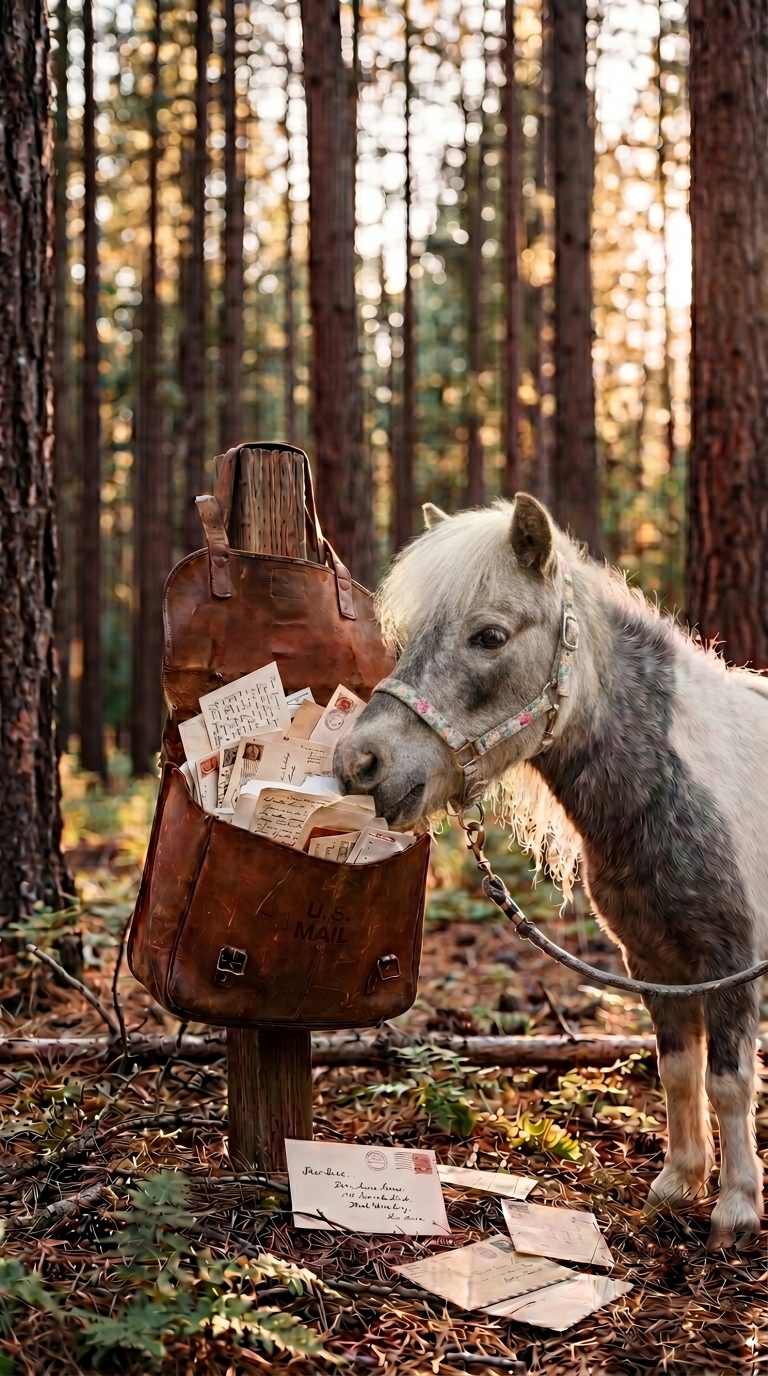
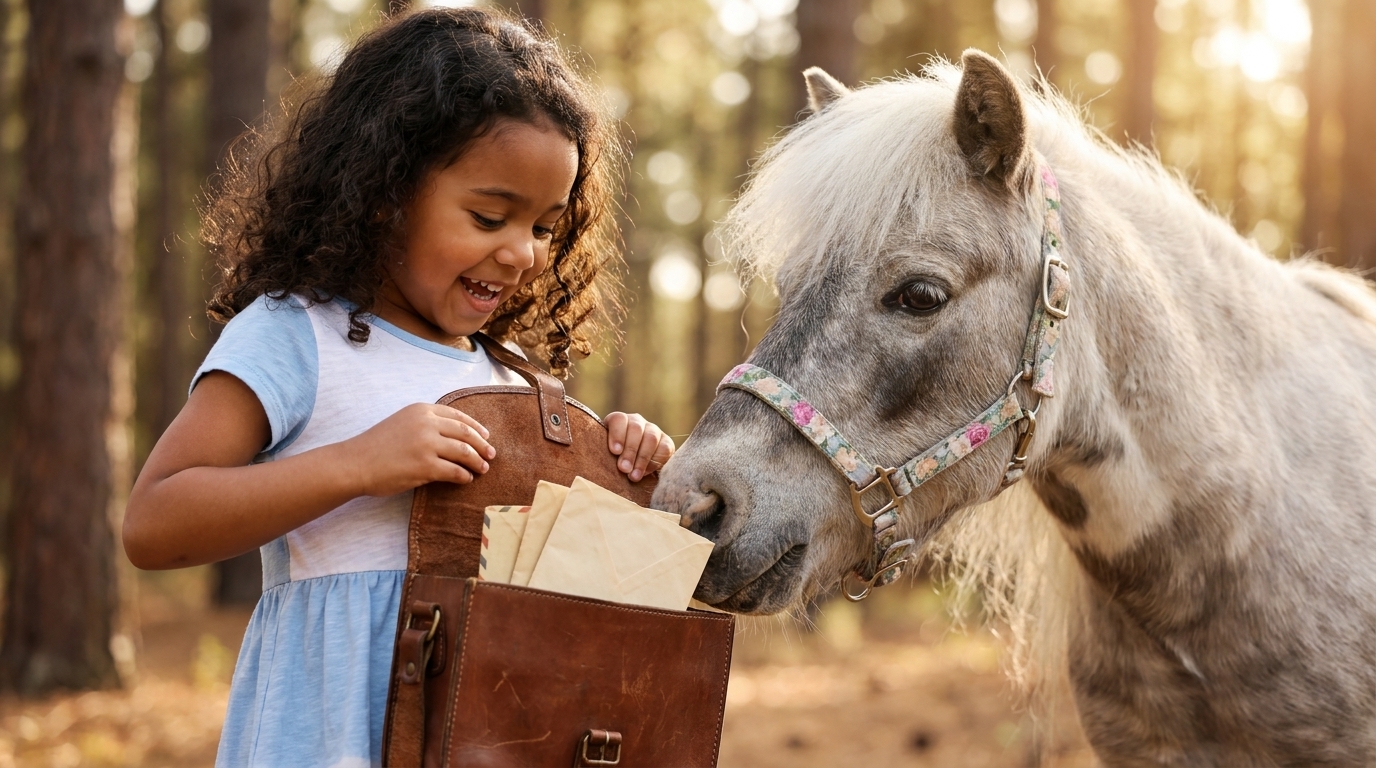
Miniature horse nuzzling a U.S. Mail leather satchel filled with letters in a pine forest — the Pony Express Post program
PreK & Kindergarten

Sensory-friendly horse meet-and-greet, simple letter activity, picture book read-aloud featuring horses.

Grades 1–2

Pony letter decoding activity, guided writing response, horse care and anatomy basics, hands-on grooming demonstration.

The Curriculum

Four Books. Four Weeks. All Written Here.

Every week of the Pony Express Post program is built around an original children's book — written for North Idaho kids, about North Idaho history.

W1

Pony Express

How the mail once moved across our region.

W2

Pit Ponies

The real ponies that worked the Silver Valley mines.

W3

Pony Pony, What Do You See?

A rhythm-and-pattern book that builds early reading.

W4

Sherlock Pony

A problem-solving story that gets kids thinking.

All Visit Types

Want to bring horses
to your whole school?

Not every school needs a multi-week curriculum arc. These visit formats work for one-time demos, older grade levels (3–5 and up), and homeschool co-ops who want the full Tribal Cowboy experience — real horses, hands-on learning, and an afternoon nobody forgets — without the extended program commitment.

Works for traditional schools, charter programs, co-ops, and after-school groups. Half-day through multi-day options below.

Choose Your Format

Half-Day Visit

2–3 hours. One or two classroom rotations, a horse meet-and-greet, and a structured activity. Works within a standard school morning or afternoon block.

Best for: Single class or small grade level
Request This

Full-Day Visit

4–5 hours. Multiple classroom rotations, program presentations, individual horse time, and educator Q&A. The full Tribal Cowboy school experience.

Best for: Whole school or multi-grade event
Request This

Multi-Day Residency

2–5 consecutive days. Deep-dive curriculum integration, individual student projects, and extended horse time. Available for select partner schools.

Best for: Title I partners & grant-funded programs
Request This

How a school demo actually runs

A full school demo runs about 30 minutes per grade group, with some grades combining where it makes sense. That's far more manageable than pulling the whole school at once — and it means every kid gets real hands-on time with the horse, not just a view from the back of the gym.

Have you ever seen a kid who talks nonstop about horses get told they can't touch the horse? We have. It's not pretty. The small-group format exists specifically so that doesn't happen.

From the Field

Education Demos in Action

Real visits. Real kids. Real horses. Every session is hands-on, high-engagement, and built around what your students are already learning.

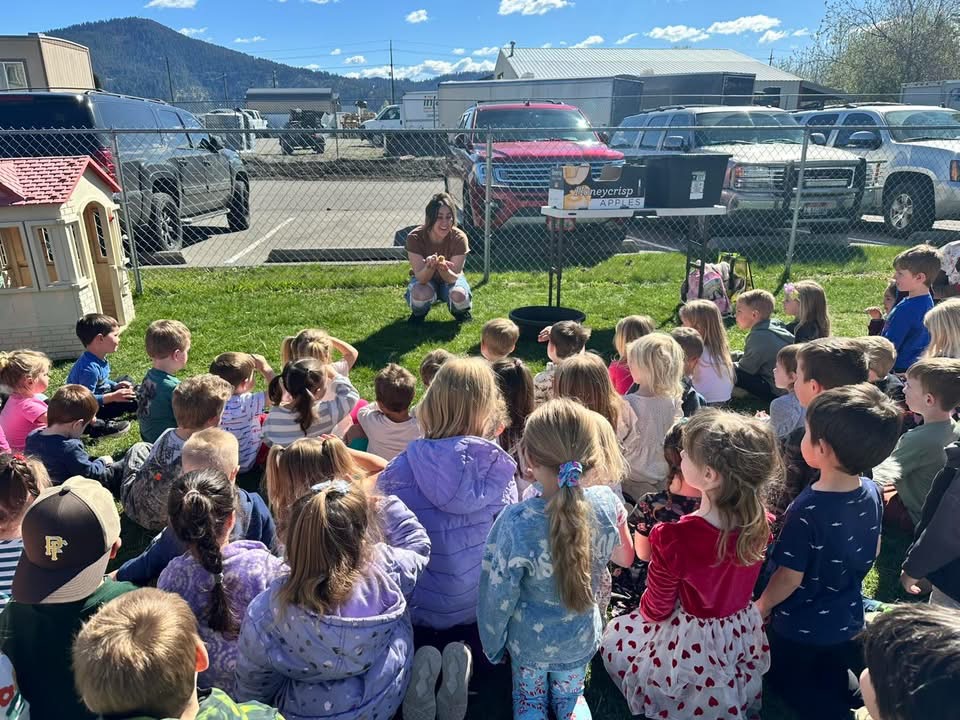
Large group of students engaged at a Tribal Cowboy school visit
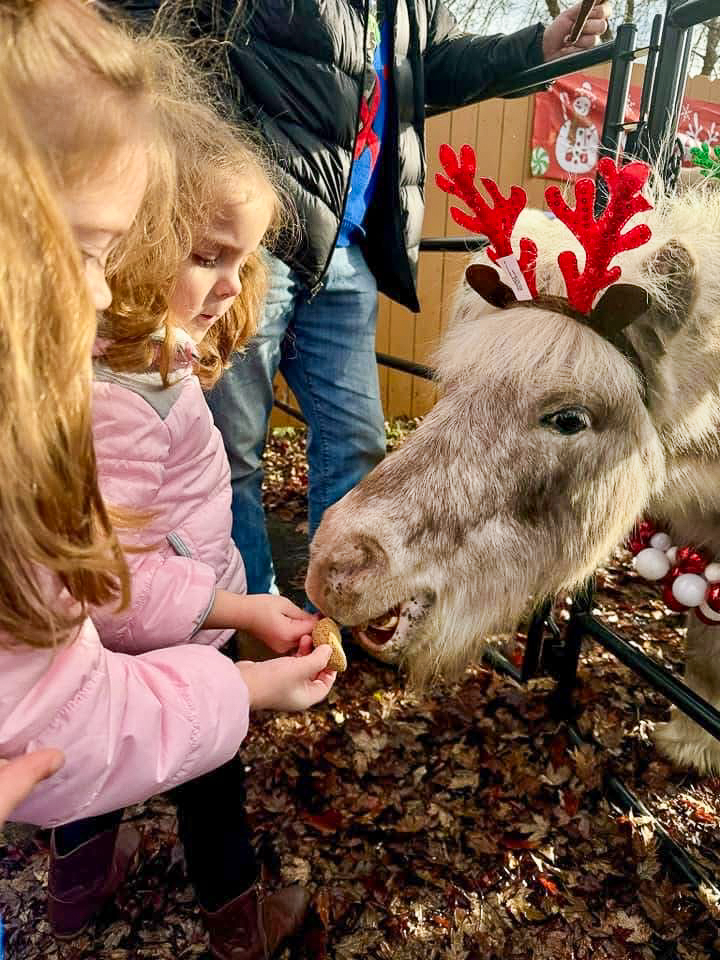
Child feeding a miniature donkey with reindeer antlers at a Tribal Cowboy event
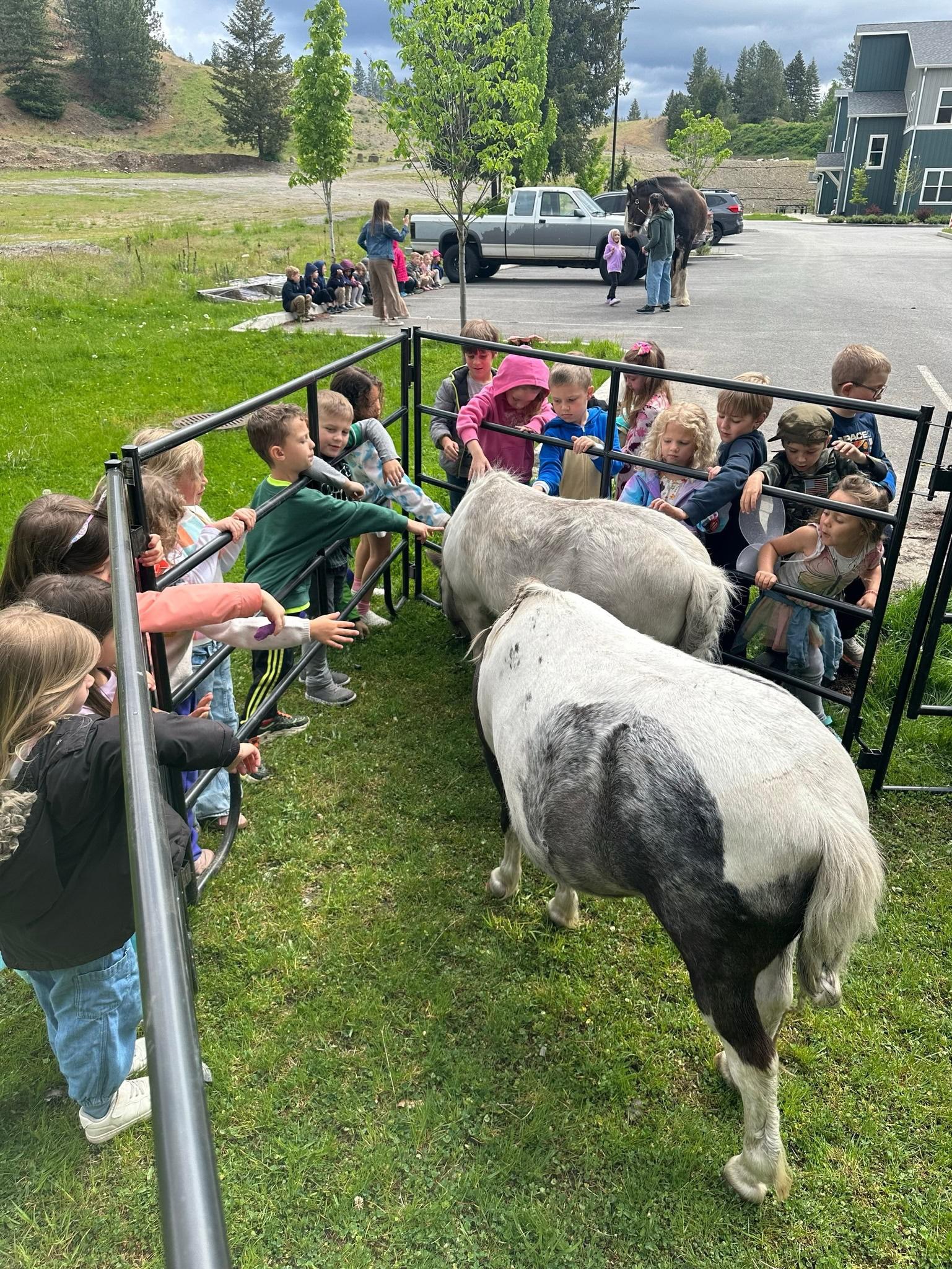
Children petting miniature horses at a Tribal Cowboy school visit in North Idaho
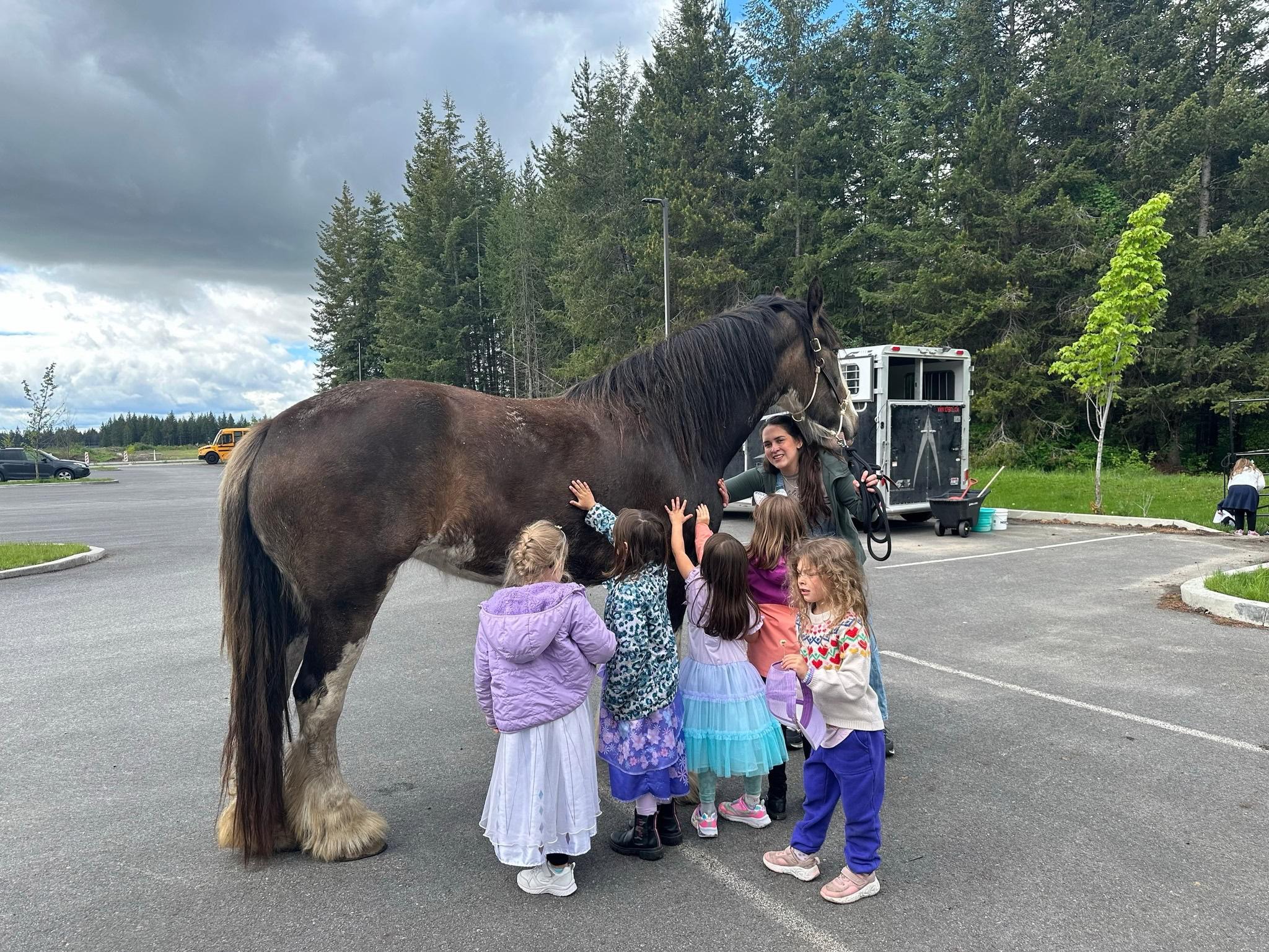
Children petting a Clydesdale horse with a Tribal Cowboy handler at a North Idaho school program
For Coordinators

Questions We Hear Every Time

Yes. Our miniature horses are specifically trained for indoor environments — classrooms, multipurpose rooms, gymnasiums. They are calm around hard floors, echoes, fluorescent lights, and large groups of children. We need approximately 400 square feet of clear floor space and a path from an exterior door. Full indoor logistics →
Before we confirm any booking, we talk through the season and what weather typically looks like for your scheduled window. That conversation happens upfront — not the morning of the visit. Some sessions work well outdoors, but inside is usually more comfortable for the kids and for us. The choice is entirely the school's, but it does affect scheduling: indoor visits need confirmed space in advance, and outdoor visits need a weather backup plan. If weather forces a delay, we reschedule with no fees and work around your calendar. We're based in North Idaho. We plan for this. Full weather policy →
Yes. Only horses from the Tribal Cowboy working herd that are specifically selected for temperament are used for school visits. They are trained for high-stimulation environments: crowds, sudden noises, small children, and movement. A certified handler is present and in direct contact with the horse at all times. Students interact under full supervision — no unguided contact. Full safety protocols →

We get this one every time — and it's a fair question. The short answer: we handle it before anyone notices, and we've been doing this long enough to have the protocol down.

Every indoor visit uses manure bags fitted directly to the horse before we come inside. Think of it like a service dog in a public building: trained animals in public spaces come with protocols. Stacie holds hands-on service animal training credentials that go well beyond standard equine certification — she knows exactly what "indoor-ready" means for an animal, and ours meet that standard.

We also fit the horse with boots or vetwrap on their hooves before any indoor visit. This keeps the floor clean and — more importantly — gives the horse grip on linoleum. Horse hooves on a smooth floor are about as confident as any of us stepping out of our cars on the first icy morning in North Idaho. You're upright, technically. But nobody's sure for how long. The boots fix that: the horse stays steady, the floor stays clean, and nobody's doing the unexpected splits in front of a classroom.

We also manage water intake in the 1–2 hours before any indoor session. Manure bags plus boots plus timing plus active handler monitoring means floors stay clean. Bringing a well-trained miniature horse inside isn't that different from bringing a well-trained dog — the difference is most people have seen a dog in a building. Our horses are just as calm, just as controlled, and held to the same access standard.

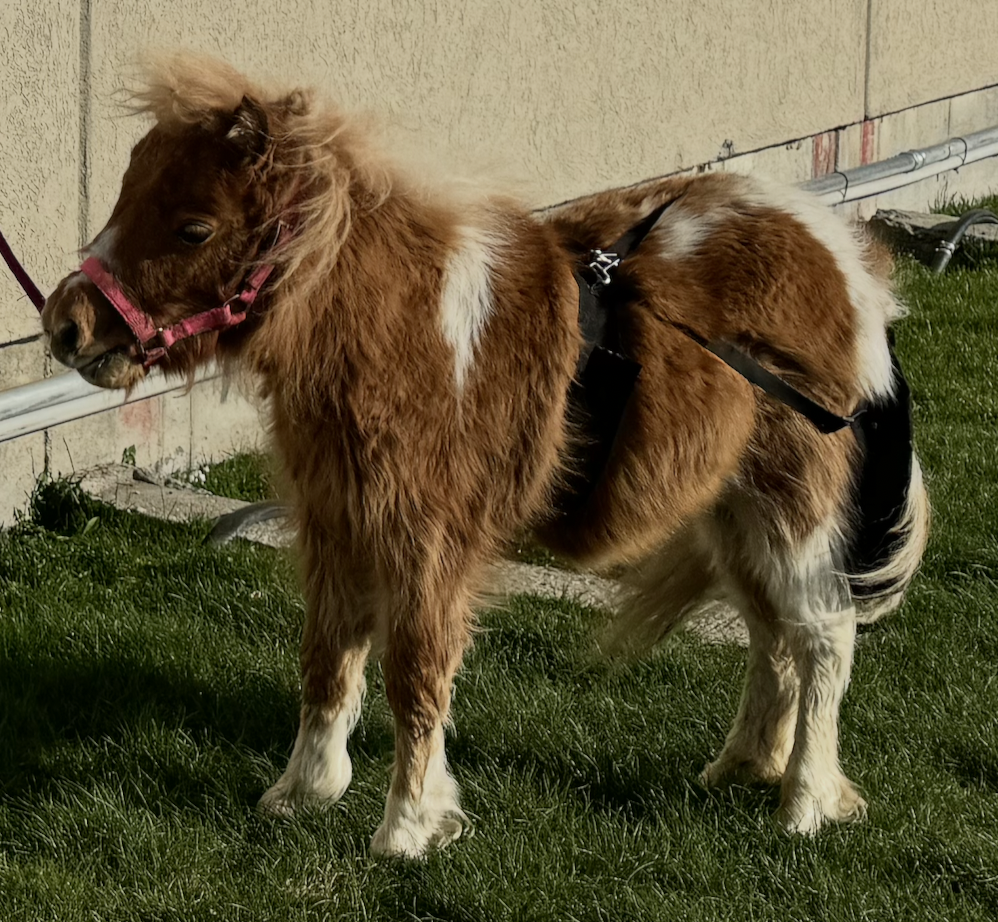
Miniature horse — the small size means manageable, manageable output
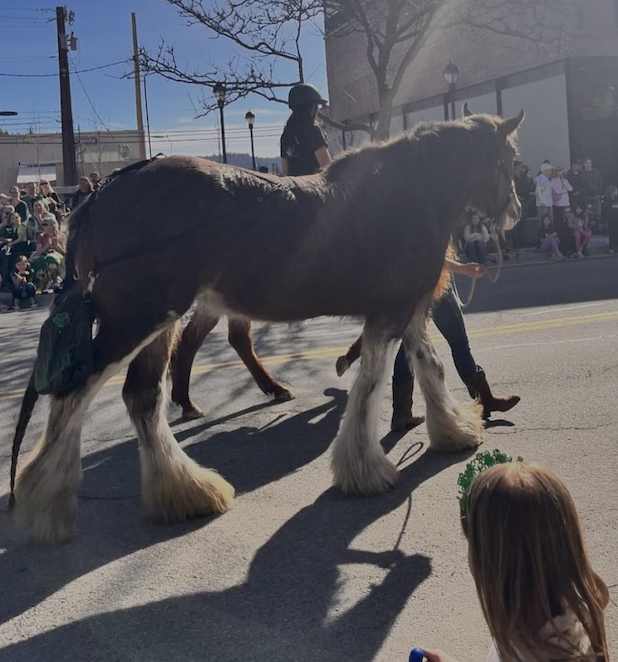
Clydesdale at a community event with children nearby

School visits use miniature horses. Clydesdales stay outdoors for wagon and carriage events.
Yes. Tribal Cowboy carries general and equine liability insurance, and we can name your district as additionally insured. A certificate of insurance is available on request, and our handler has completed a background check. We're glad to send both to your office before any visit is scheduled.
The Pony Express Post program is free to qualifying schools — local businesses sponsor the visits. For half-day, full-day, and multi-day programs, pricing is available upon request and varies by format and distance. Title I schools qualify for reduced-rate or sliding-scale pricing. Request a visit to get pricing →

Ready to Bring the Horses to Your School?

Fill out the visit request form and we'll be in touch within two school days to confirm details and pricing.

Fill Out the Visit Request
For Local Businesses

Want to sponsor our no-cost school programs?

The Pony Express Post and school demos are free for schools because local businesses step up. Sponsors get real visibility — classroom callouts, handwritten letters home, social posts, and a story worth telling. No banner stands required.