info@tribalcowboy.com Text (208) 261-2092
TRIBAL COWBOY
Common Questions

Real answers about bringing horses to your space.

We get the same questions every time. Here they are, answered directly — because knowing what to expect is how good events happen.

Animals Indoors Waste & Cleanliness Training & Credentials North Idaho Weather Booking
Animals in Your Venue

Can a horse really come inside?

Yes. And the question is a fair one. Think about it the same way you'd think about allowing a well-trained dog into your building. You'd want to know the animal is calm, under full handler control, and that waste is handled — not just hoped for. We answer all three before we walk through your door.

Our miniature horses are specifically selected and desensitized for public-access environments: slick floors, overhead lighting, large groups of kids, loud noises, tight hallways, and crowds. They've been to parades, gyms, cafeterias, and lobbies. They don't spook. They don't bolt. They follow our lead.

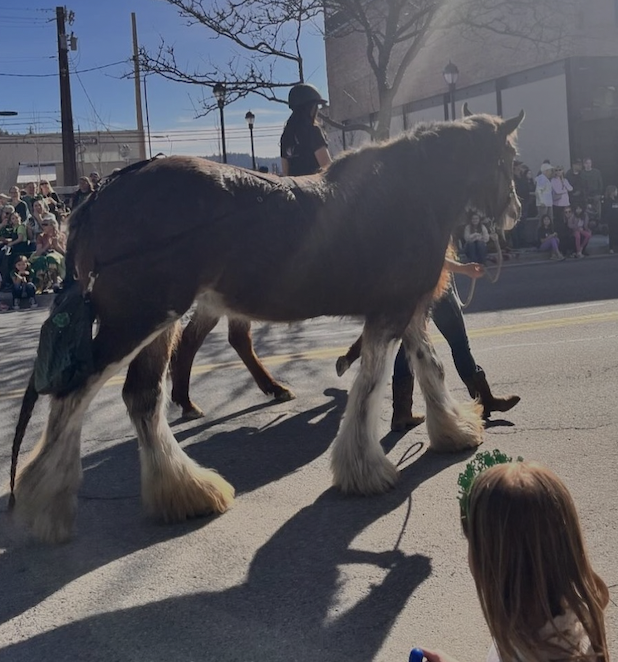
Larger horses and Clydesdales remain outdoors or in covered spaces with proper footing — that's not a limitation, it's just appropriate placement for the animal's size and your venue's structure.
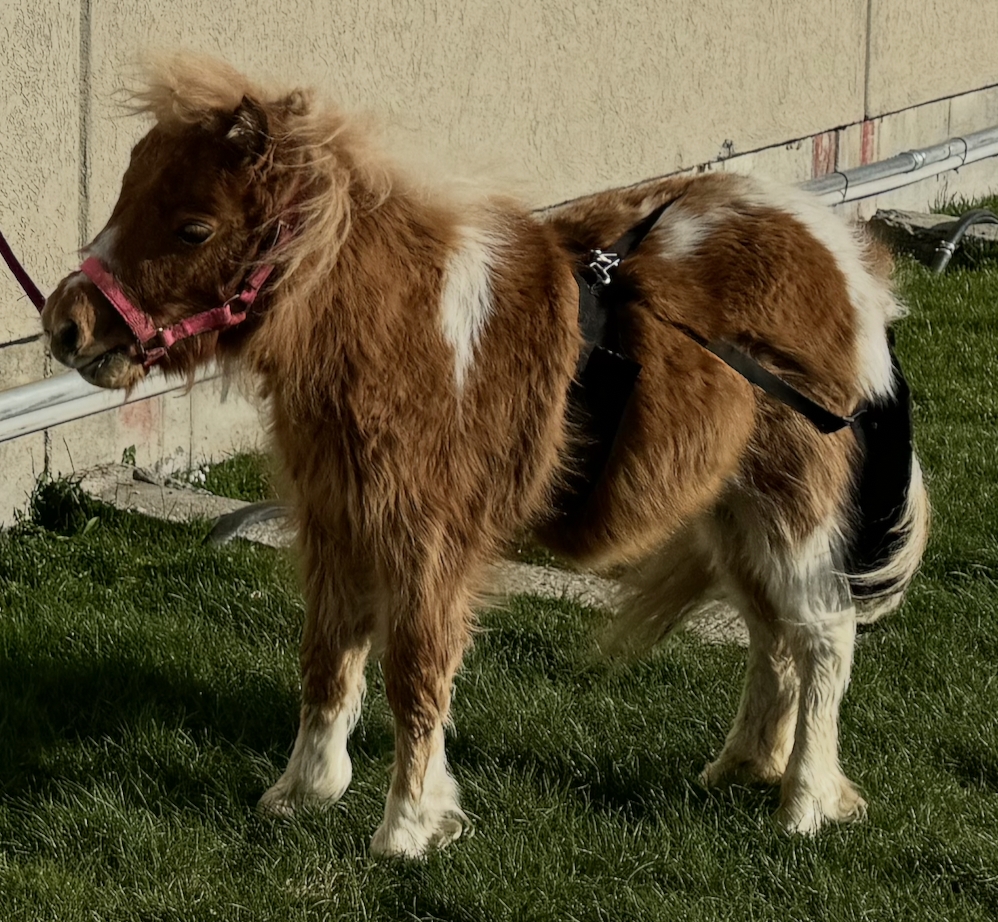
Miniature horse wearing a manure bag harness at a Tribal Cowboy event

Manure bag in action. It straps on like a harness — the horse barely notices, the floor stays spotless.

Waste & Cleanliness

What about bathroom breaks?

We use manure bags — a fitted harness that catches waste the moment it happens. Every indoor and high-traffic event gets a bag on every horse. It's not a sometimes thing. It's standard protocol.

Our horses are also trained for controlled bathroom habits and monitored constantly by handlers who know their animals' signals. We don't wait for accidents. We prevent them.

Think of it like a well-trained service dog.

You let therapy dogs into classrooms, hospitals, and offices because trained animals with responsible handlers can be trusted in those spaces. We hold our horses to the same standard — except our animals have a bag.

Urine is managed through limited access to water 1–2 hours before any indoor session, controlled timing, and immediate cleanup protocols if needed. We've done this in schools, gyms, lobbies, and event halls. We come prepared.

Training & Credentials

Not just trained. Trained to a different standard.

Most equine providers train horses for riding, showing, or basic ground work. We train for public access — and there's a significant difference.

Service Animal Background

Stacie holds extended hands-on training in service animal work and public access standards. She understands what it means for an animal to be safe in a controlled environment — not just well-behaved at home.

Crowd & Sensory Desensitization

Our horses work parades, school hallways, loud venues, and unpredictable crowds. They're exposed systematically to the stimuli they'll encounter — not thrown in and hoped for.

Handler-Led Always

Every horse at every event is managed by a trained handler — not a volunteer, not a teenager holding a lead rope. We don't hand off control to untrained people in unfamiliar environments.

"I've done extensive hands-on training with service animals. I know what public access for animals actually looks like — and I know how most equine providers fall short of that bar. My standard isn't 'the horse is friendly.' It's 'this horse is safe, predictable, and appropriate for this specific environment.'"

Stacie Huffhines, Owner — Tribal Cowboy LLC

North Idaho Weather

We live here. We plan for this.

North Idaho weather is not a minor consideration. We've had April blizzards, May mud, and June rain that turns a field into a bog. We build our schedule around the reality of where we operate, not the assumption that outdoor events go as planned.

We monitor forecasts starting 10 days out. For outdoor events, we communicate early — giving you time to adjust your layout, tent situation, or plans before the day of. We don't surprise you with a cancellation the morning of your event.

Indoor options are available for select services. Miniature horses can come inside; wagons and Clydesdales stay outdoors or in covered structures with stable footing. If your venue has a covered pavilion, large lobby, or indoor arena, ask us — we've worked in more creative spaces than most people expect.

Snow, ice, or heavy rain

We reschedule rather than cancel when weather makes conditions unsafe for animals or attendees. You keep your deposit — no fees to move the date when weather is the cause.

Cold temps — do horses work in winter?

Yes. Our horses are cold-weather animals and handle North Idaho winters well. The concern isn't temperature — it's footing. Ice, frozen ruts, and slick surfaces are what we watch for.

Summer heat

We schedule summer events in early morning or late afternoon to keep animals and handlers comfortable. We always have water and shade access on-site. July and August bookings include a heat check — we'll discuss timing when you book.

School programs in bad weather

The Pony Express Post is a 4-week program — built-in flexibility means a weather delay on one week doesn't derail the whole program. We work with your school calendar to stay on track.

More Questions

Booking, Safety & Logistics

How far in advance should I book?

4–6 weeks minimum for most events, 6–8 weeks for school programs. Summer and fall book fastest. If you're within 2 weeks of your event, contact us anyway — we sometimes have openings, but we can't guarantee availability. Deposits lock your date.

What's your service area?

We're based in Athol, Idaho and serve Kootenai, Shoshone, Bonner, and Boundary counties as our primary area. Coeur d'Alene, Post Falls, Hayden, Rathdrum, Sandpoint, and surrounding communities are all within range. We do travel further for the right event — ask us and we'll give you a straight answer on mileage fees.

Are you insured?

Yes. Tribal Cowboy LLC carries equine liability insurance. Certificates of insurance are available upon request for venues or organizations that require them. We also require a signed liability waiver for all participants — you can complete it in advance at tribalcowboy.com/liability-waiver.

What if a child is allergic to horses?

Let us know before the event. Children with known horse allergies should stay at a safe distance and avoid direct contact. We groom all animals before arrival to minimize loose dander, and our miniature horses are bathed for indoor visits. We can position the animal in a way that allows visual engagement without physical contact for kids who need separation. Same as any allergy-aware animal program.

Can children pet and touch the horses?

Yes, with handler guidance. We teach children the correct way to approach and touch horses before any contact — nose first, no sudden movements, no grabbing. Our miniature horses are selected specifically for temperament with children. Touching is part of the experience. We manage it, not just allow it.

Do you require a deposit?

Yes. A 50% non-refundable deposit secures your date. The remaining balance is due the day of the event. For school programs funded by sponsors, payment structure is confirmed at booking. We accept Venmo, PayPal, cash, and check.

How long does setup take?

30–45 minutes for most setups. For school programs, we ask for access 45 minutes before the session starts. We handle everything — trailer parking, animal prep, equipment, and safety perimeter setup. You don't need to arrange anything except the space and any required parking access.

What if someone is afraid of horses?

That's normal and we expect it. Nobody is required to approach, touch, or interact with any animal. Watching from a distance is perfectly fine. Our handlers introduce animals gradually, read the room, and never pressure anyone. Fear is information — not a problem to override.

Still have a question?

Call, email, or send a message. We answer every inquiry — usually within a business day.